
The Psychology of Gambling
The psychology of gambling plays a significant role in what makes casino games addictive. It’s the thrill of uncertainty, the anticipation before the outcome, and the psychological rush when winning that captivates players. This element of unpredictability fuels excitement, creating a compelling experience that keeps players coming back. The brain releases dopamine, a neurotransmitter associated with pleasure, during these moments, reinforcing the desire to engage in the activity again. Many enthusiasts are drawn to the thrill of the best online pokies australia payid games that enhance the overall experience. This biochemical response creates a strong association between gambling and pleasure, making it difficult to resist the next game.
Moreover, the concept of variable rewards adds to the addictive nature of casino games. Players are more likely to engage when they know the outcomes are random and sometimes rewarding. This unpredictability can lead to a phenomenon known as the “near-miss effect,” where players feel that they were close to winning, prompting them to try again. Such psychological manipulation effectively hooks players, making them believe that a win is just around the corner, even when statistically, they may be facing significant losses. This cognitive bias can skew their perception of risk and reward, further entrenching their gambling habits.
Lastly, the social aspect of gambling also contributes to its addictive qualities. Many players enjoy the camaraderie found in casinos, where they can share experiences and emotions with others. Whether it’s cheering on a friend during a table game or commiserating over losses, this social interaction enhances the overall experience, making it more enjoyable. This sense of belonging can make it harder for players to step away, as they associate their gambling activities with positive social connections. The community aspect of gambling creates a support network that can reinforce the behavior, making it feel less like an addiction and more like a social activity.
The Role of Game Design
Game design is another crucial factor in the addictive nature of casino games. Designers implement specific mechanics that encourage prolonged play, such as continuous feedback on performance and engaging visuals that stimulate the senses. In slot machines, for instance, bright lights and cheerful sounds create an atmosphere that enthralls players, drawing them in for more. The immersive experience offered by graphics and sound plays a vital role in retaining player interest. These sensory stimuli are carefully crafted to evoke excitement and keep players engaged, often leading them to lose track of time and their budget.
Additionally, the introduction of bonus features and progressive jackpots makes certain games even more attractive. These features provide potential for larger rewards, which can be enticing for players looking to maximize their winnings. The excitement of hitting a bonus game or the chance of winning a jackpot can keep players engaged for extended periods. This strategy taps into the human desire for more significant rewards, further contributing to the addictive nature of these casino games. The anticipation generated by these features creates a cycle of play that reinforces the desire to continue gambling.

Furthermore, the pacing of games is meticulously crafted to encourage sustained engagement. Many games are designed to be quick, facilitating a cycle of play that feels rewarding. Players can continuously adjust their bets, which adds to the thrill and creates an environment where it’s easy to lose track of time. By making games fast-paced and engaging, designers ensure that players remain focused, often leading them to spend more time and money than they originally intended. The combination of rapid gameplay and the lure of potential wins can create an environment where moderation becomes increasingly difficult.
The Impact of Environment
The environment in which casino games are played significantly influences their addictiveness. Casinos are meticulously designed to create an atmosphere that promotes gambling. From the layout of the gaming floor to the absence of clocks and windows, every detail aims to keep players inside longer. The lack of external cues about time encourages players to remain absorbed in their gaming experiences, often leading to extended play sessions. This carefully curated environment can create a sense of escapism, allowing players to forget their daily lives and immerse themselves in the thrill of the game.
Moreover, the use of complimentary drinks and the presence of attentive staff enhance the player experience, allowing individuals to feel pampered. This treatment can create a sense of loyalty toward the casino, further enticing players to return. The ambiance is designed to be stimulating yet comfortable, making players more willing to engage in prolonged gambling without feeling the need for breaks or distractions. The sensory overload can make it challenging for players to recognize their limits, further perpetuating addictive behavior.
The psychological effects of being in this environment can be profound. Players often report feelings of euphoria when surrounded by other gamblers, especially in moments of shared excitement. The cheers of victories and the thrill of winning can turn a simple game into a communal celebration, reinforcing the desire to return and play again. This social reinforcement in a carefully curated environment solidifies the addictive nature of casino games, making it difficult for individuals to separate themselves from the allure of the gaming floor.
The Allure of Winning and Losing
The duality of winning and losing is central to the addictive element of casino games. The thrill of winning provides an adrenaline rush that can be immensely satisfying, reinforcing the behavior and encouraging repeated play. Winning can make players feel powerful and in control, which can sometimes overshadow the losses that may accumulate over time. This skewed perception of winning versus losing can play a significant role in maintaining a player’s continued interest. The emotional highs associated with winning can create a powerful craving for that experience, leading players to gamble more frequently in search of that feeling.
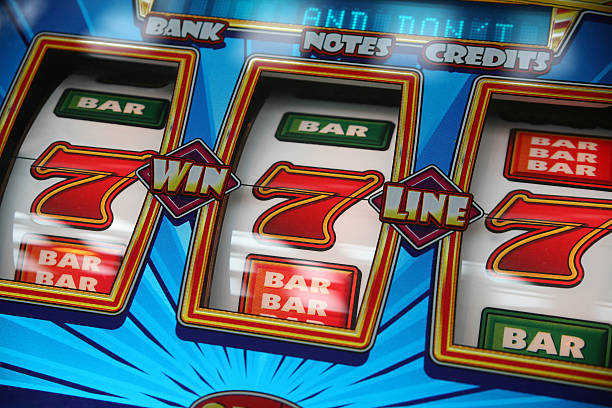
Conversely, losses can also be addictive in their own right. The challenge of recovering losses may lead players to gamble more in the hope of breaking even. This phenomenon, known as “chasing losses,” traps players in a cycle where they believe they can turn their fortune around with just a little more effort. Such cycles can lead to problematic gambling behaviors, as the player’s attachment to the game and desire to win can overshadow the reality of their financial situation. The emotional rollercoaster of gambling creates a complex relationship with the game that can be hard to break.
This complexity surrounding winning and losing makes gambling a uniquely addictive activity. It’s not just about the money; it’s about the feelings and emotions attached to those outcomes. Each game becomes a gamble not only with the stakes but also with the player’s psychology, making the experience deeply immersive and difficult to resist. The interplay between hope and despair in gambling can form a powerful cycle, with players often believing that their next bet could dramatically change their fortunes, keeping them engaged longer than they initially intended.
Understanding Your Gambling Habits
Understanding one’s gambling habits is essential for anyone who enjoys casino games. Recognizing the signs of addiction can empower players to make more informed choices about their gambling behavior. Admitting that certain patterns, such as playing longer than intended or feeling compelled to gamble despite losses, can indicate a problem is the first step toward managing one’s habits effectively. This self-awareness is crucial in navigating the fine line between enjoyable gaming and potential addiction.
Additionally, setting personal limits on time and money spent can help mitigate the risks associated with gambling. By being proactive and establishing boundaries, players can maintain a healthy relationship with casino games. This self-regulation encourages players to enjoy the thrill without succumbing to the potential negatives associated with addictive behavior. Implementing tools such as budgeting and time management can be effective strategies in maintaining control over one’s gambling activities.
Finally, resources are available to help individuals understand their gambling habits better. Many organizations offer support for individuals who may struggle with addiction, providing educational materials and counseling services. Understanding the allure of casino games, coupled with a solid support system, can be instrumental in maintaining a balanced approach to gambling. Players who take the time to educate themselves about their behavior and seek help when needed can foster a healthier relationship with gambling, allowing them to enjoy the entertainment without falling prey to its potentially addictive nature.
About The Author
